Soil
Our Soil
It’s important to build living soil in our recycled refrigerator gardens to support plant growth for many years. We start with Soil from Organic Matters Hawaii, which is a blend of compost, small black cinder, and Hamakua topsoil. We amend it with bone meal, kelp, blood meal, crushed coral, clay, biochar, fish aminos, chicken manure, rabbit manure, and LABs (lactic acid bacteria) to jump-start the microbial action and nourish our plants.
Lava Land Institute, produces many of the natural farming amendments we use in our refrigerator gardens. They also house a large collection of recycled refrigerator gardens and grow food for community donations.
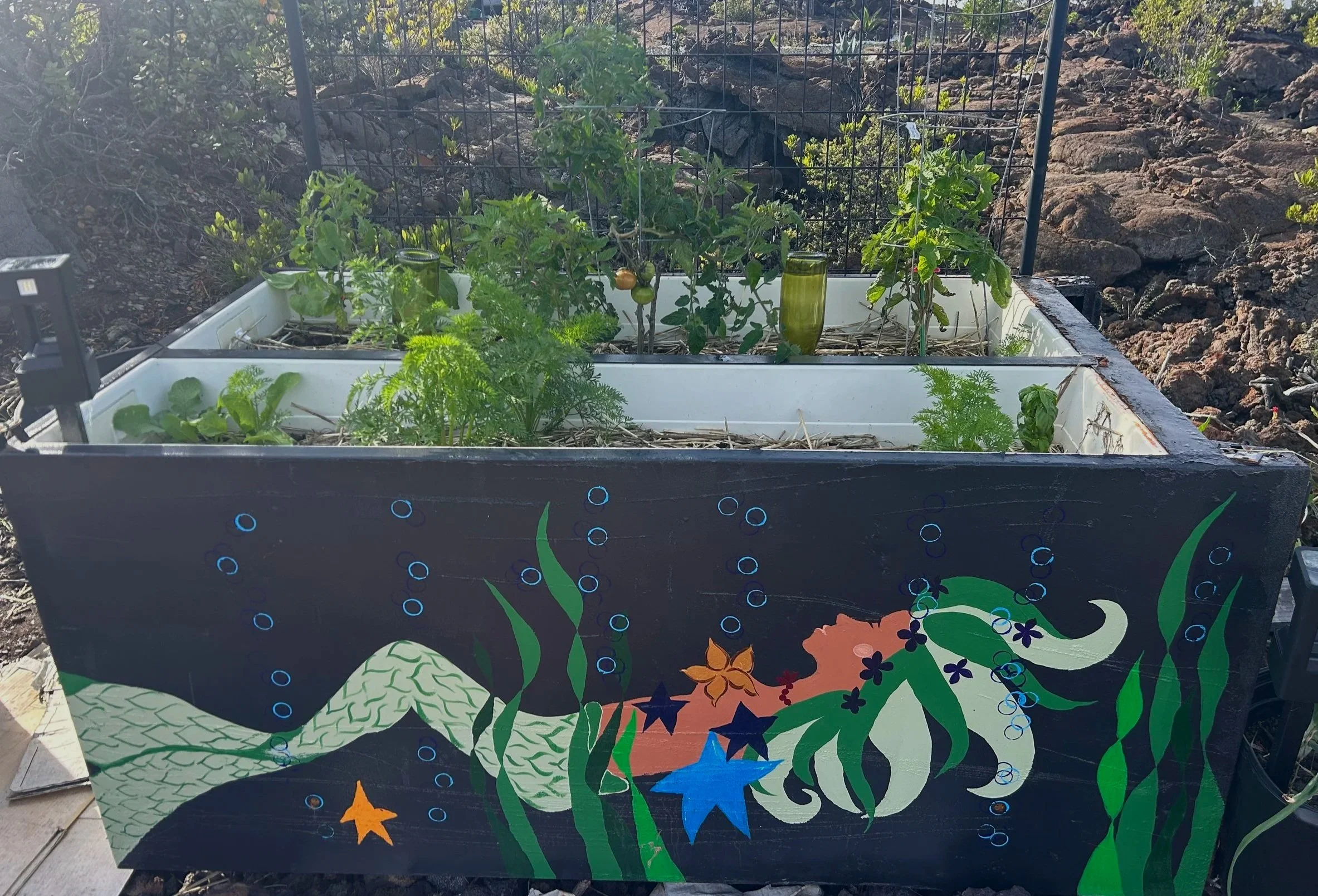
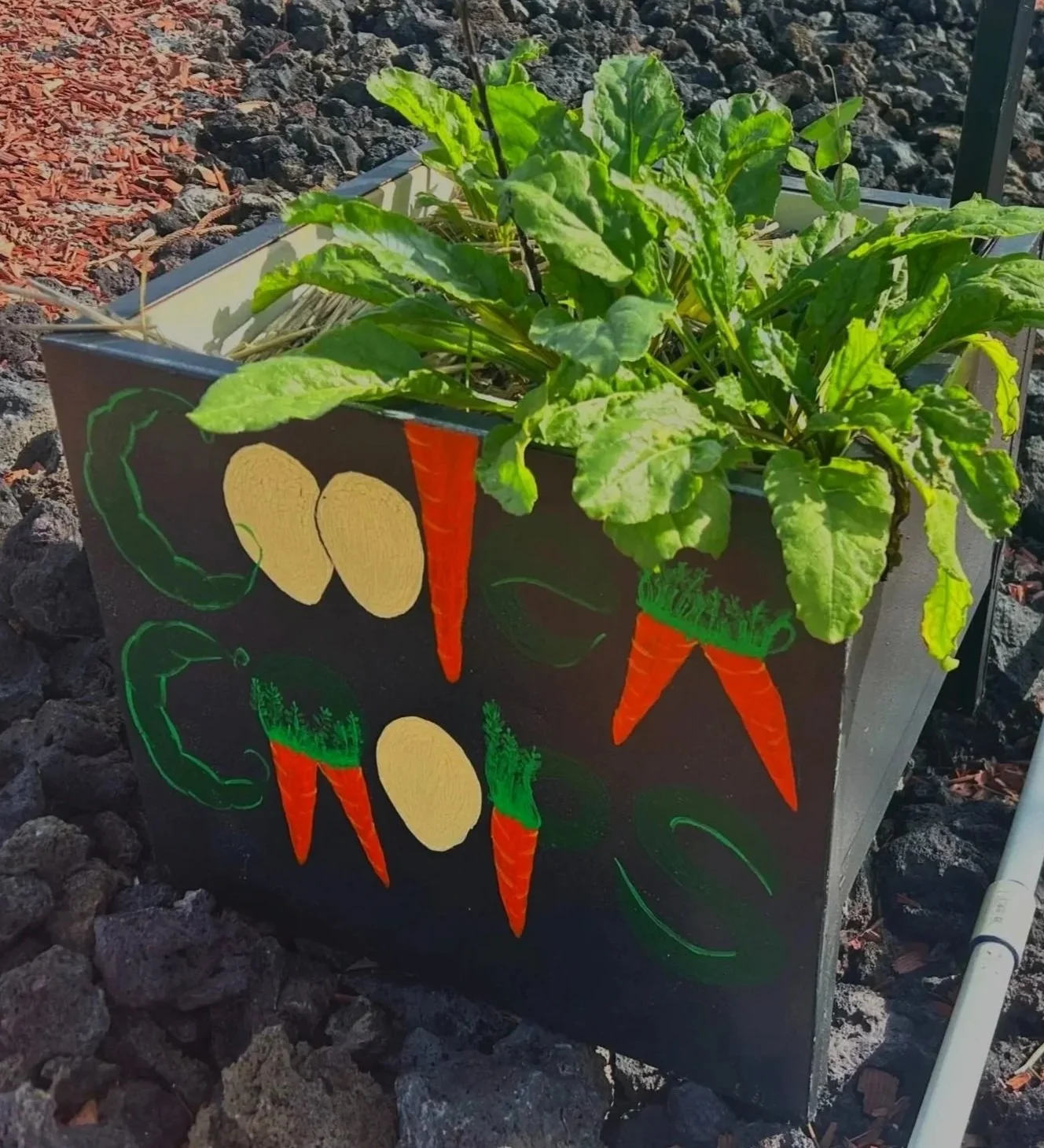
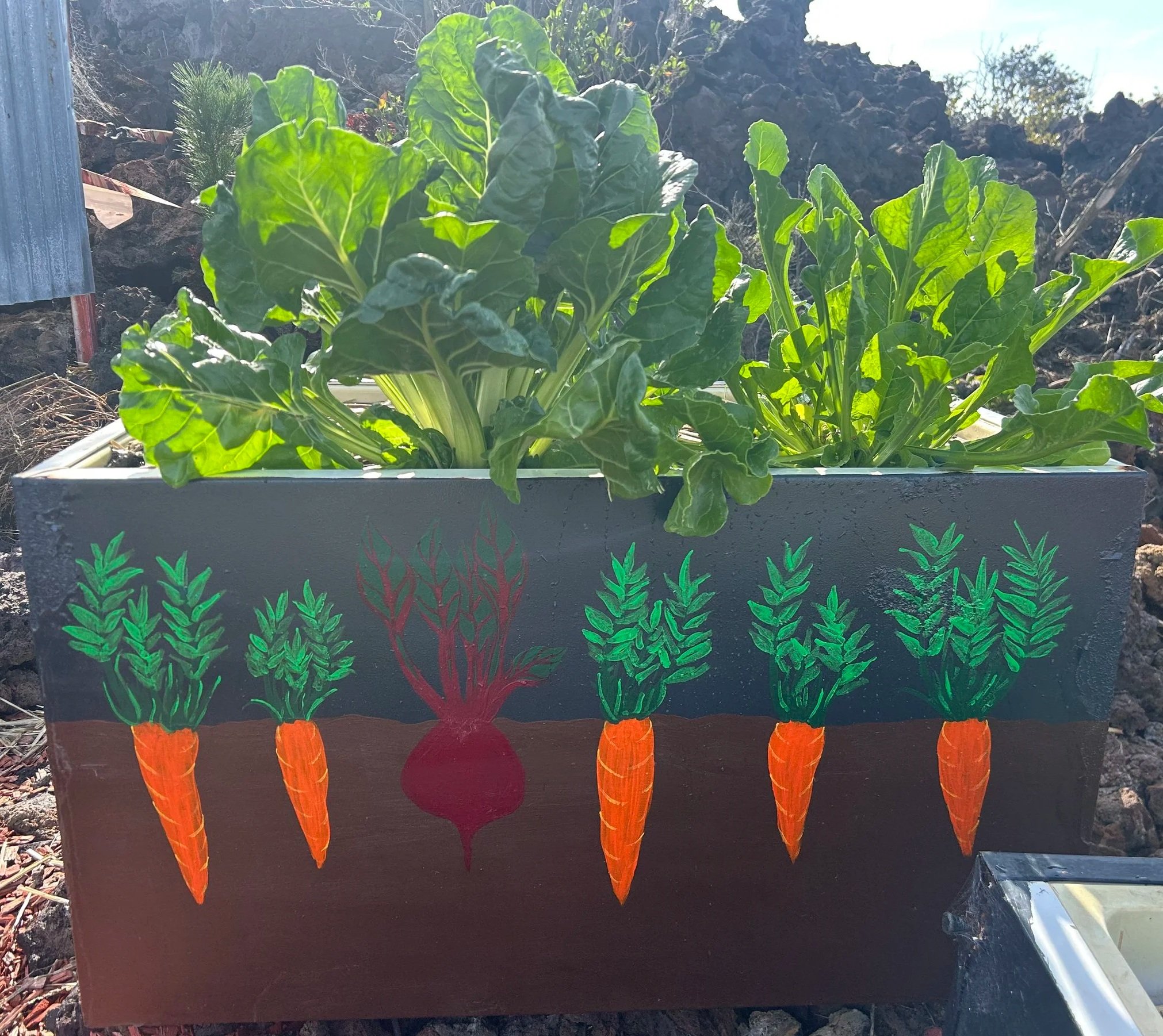
Shout out to one of our soil sponsors, Organic Matters Hawaii, in Kailua-Kona!
Do-it-Yourself Gardens
When setting up a new garden, fill the bottom layer with rocks to a depth of 3-4 inches to help with drainage. To support moisture retention and microbial activity, fill the refrigerator compartment 1/3 full with sticks and leaves and a combination of green and brown waste.
Fill the refrigerator with quality raised garden bed soil mix (see more on creating a mix below) until the soil level is 2 inches from the top of the refrigerator.
If you are DIY-ing a refrigerator garden or need to replace the soil in your garden, here is some helpful information.
If you want to buy bagged soil, here is a a good soil mix:
1/3 Vermiculite
1/3 Niu Organic Hawaiian Soil
1/3 Organic Raised Bed & Potting Mix
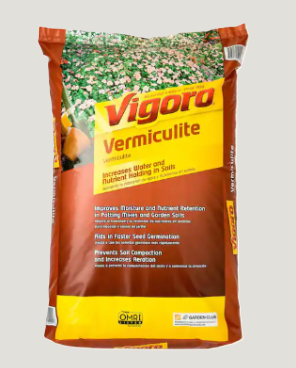
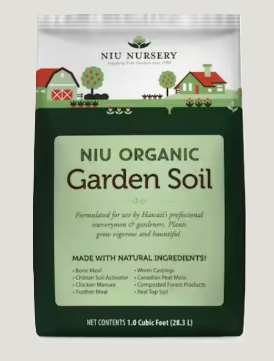
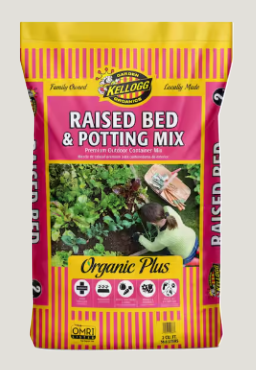
If you do not want to use that soil mix, use this chart to create a soil blend. Start with an organic garden soil that has been amended with worm castings, bat guano, bone meal, fish emulsion, oyster shells, or other quality amendments.
Then pick one item from each column to add to the soil blend. You can opt to use just organic garden soil, but depending on your climate and the vegetables you want to grow, it may not be as suitable.

We also recommend adding an organic 10/10/10 fertilizer to your soil blend. The numbers on a fertilizer bag represent the percentage of three key nutrients: Nitrogen (N), Phosphorus (P), and Potassium (K), in that order.