Harvesting
When to Harvest
You should begin harvesting your garden within a few weeks. Some foods, like radishes, will be ready very quickly, while others, like peppers or tomatoes, could take a few months. It’s important to know when to harvest your plants. Some vegetables, like iceberg lettuce, will have early leaves that you can harvest while the head continues to form.
In conventional farming, these leaves would die back in the field while the farmer waited until the entire lettuce was ready to harvest, but in our garden, you'll be able to harvest continuously by cutting these early leaves for food.
Kale can be harvested regularly by cutting away larger leaves and allowing the smaller ones to grow. Kale will grow for years. Green beans and peas do best if they are harvested every day or two. When it comes to peppers, you'll want to wait until they are either the correct color or a reasonable size.
If you start to notice that your plants are turning brown or getting soft, you've waited too long to harvest. Cut away any bad bits, compost them, and eat the rest. You want to maximize the amount of food your garden can produce, so remember to harvest early in the day and often.
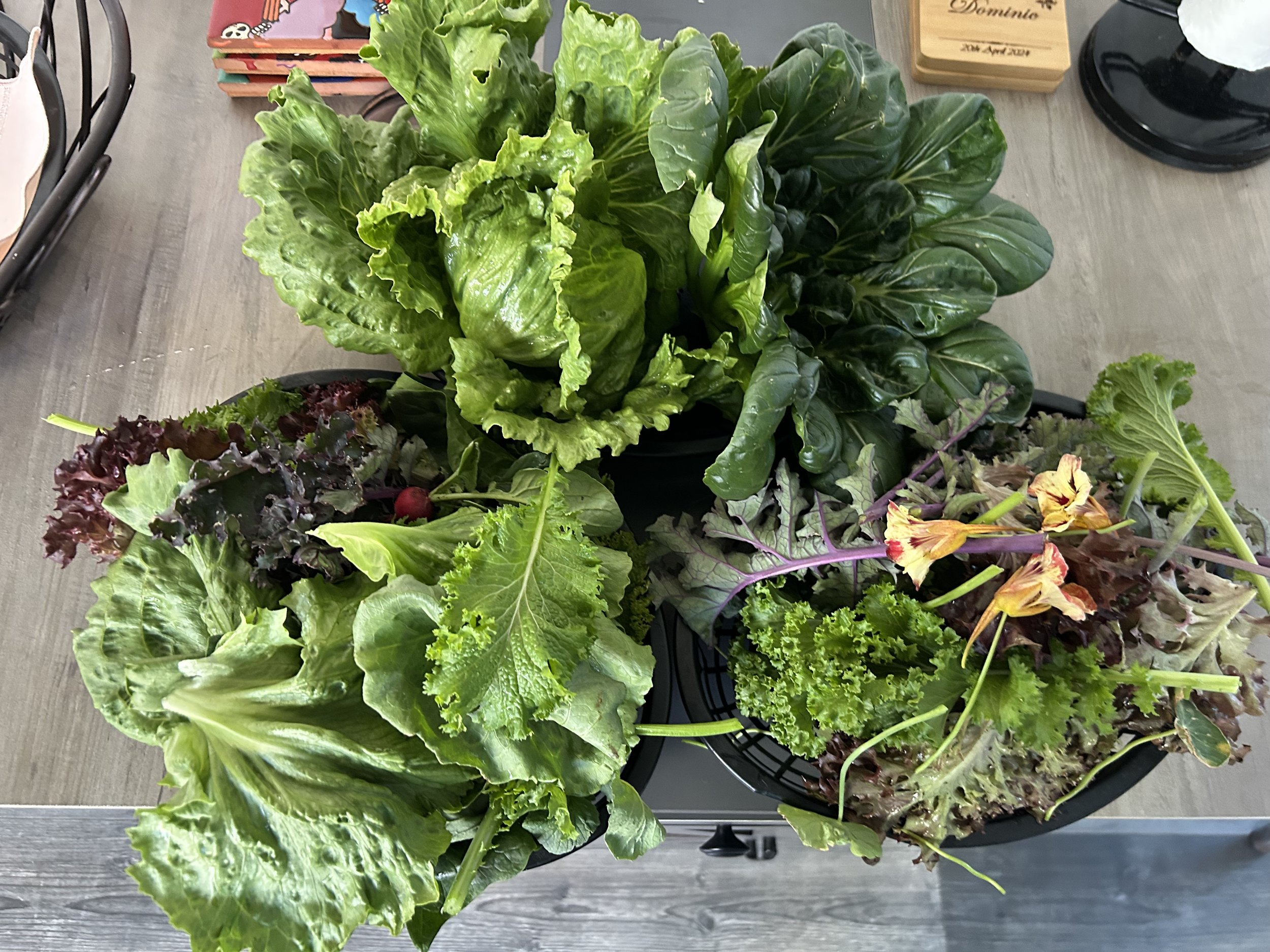
Three baskets full of vegetables freshly harvested from a refrigerator garden. How to Harvest
Some plants can be easily harvested by simply snipping the fruit or vegetables off with your fingernails, but foods with thicker stems require scissors or garden shears.
For plants like lettuce, chard, and kale, you should carefully inspect the leaves, protecting any parts of the plant you do not want to harvest. Look for the lowest leaves and cut them off. Tomatoes are harvested by picking with the small stems still attached. Each vegetable is a little different, so be careful and consider checking out a gardening book at your local library.
How to Store What You Harvest
We recommend washing many of your freshly harvested veggies before storing them. You should rinse your produce a minimum of three times or until the water in a bowl is completely clean of debris.
In Hawai’i, it's important to make sure that all fresh foods are carefully washed to prevent the risk of Rat Lungworm Disease. If you see that there are nibbles from any of your vegetables, pay extra care in making sure that they are clean and that there are no bugs.
For greens, wrap them in a paper towel and place them in a Ziploc bag. Most greens will keep for 1 to 2 weeks in the crisper; other vegetables can be placed in a plastic bag to keep fresh for several weeks, but we recommend eating what you harvest right away so it's the freshest and most nutritious.
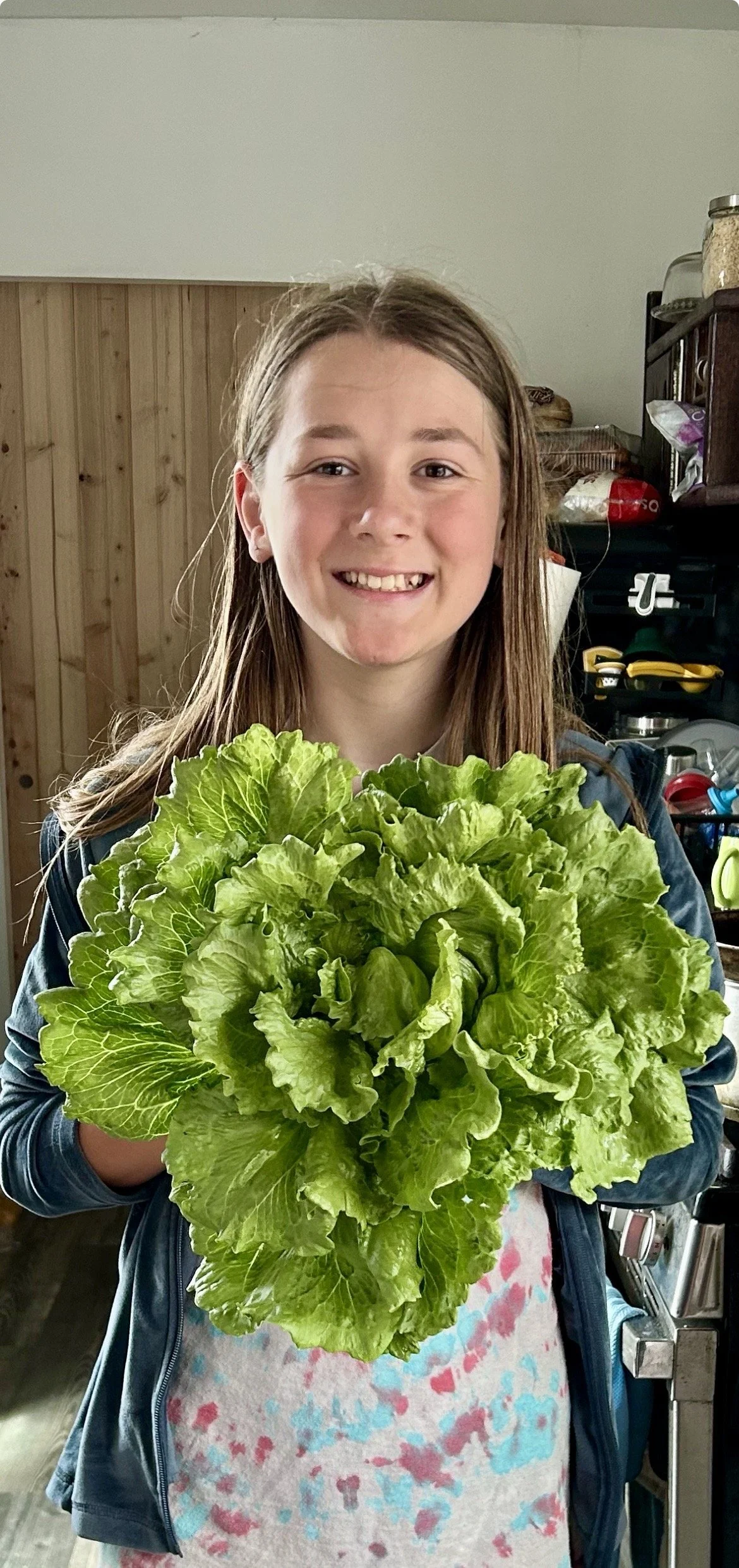
A girl holding a head of lettuce.Seed Collection
How to Collect Seeds
For some plants, collecting seeds is very easy. For example, peppers, when you eat a pepper, save the seeds on a napkin or paper plate, and let them dry out. After a few days, you can plant them and grow new pepper plants.
Tomatoes can be planted by simply squeezing a few seeds onto some soil and they will grow again. Beans are easy to dry out a few “missed” pods that got too big and plant again.
For other foods, you may have to wait until they go to seed. With some varieties of lettuce, after several weeks or months of producing leaves, the lettuce will start to get tall. When this happens, you should allow it to continue growing until it begins to produce flowers and seeds. Once the flowers have started to dry, you can scoop the seeds off and put them in a paper bag or dry container without a lid where they can dry for a few days until you're ready to store them.
Pay attention to the foods you harvest and the types of seeds that they have. Some plants will only go to seed after the edible portion has died off. We recommend eating them instead and purchasing fresh seeds to replant. Foods like radishes, iceberg lettuce, kale, and broccoli are best if you eat them and purchase seeds or seedlings from a store or local nursery.
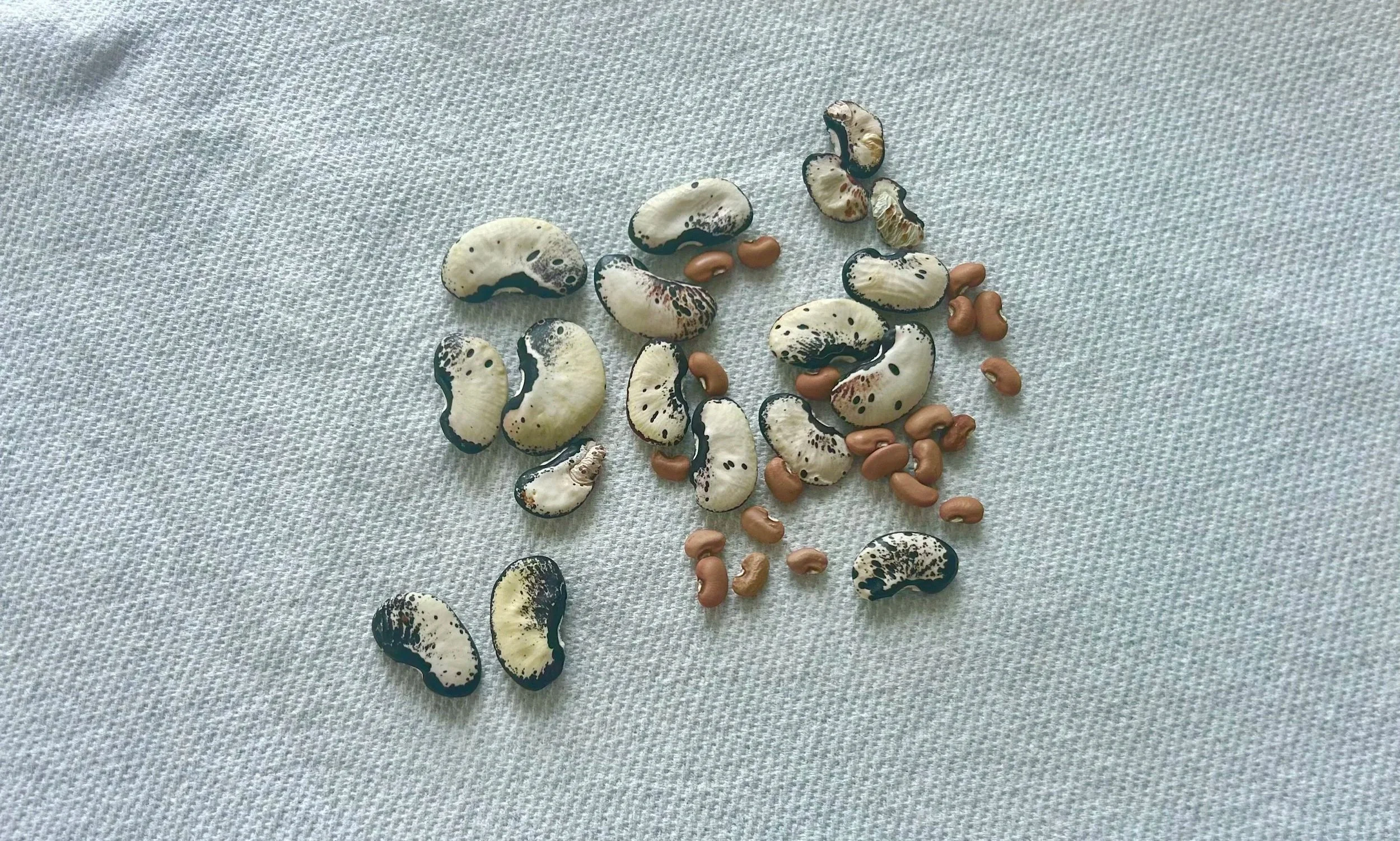
Appaloosa (big) and Otan (small) beans How to store seeds
When it comes to storing seeds, it is essential to make sure that they are completely dry; any bit of moisture can result in mold and ruin seeds. Once you're sure your seeds have completely dried on a paper plate, paper towel, or in a lidless container, you can place them in an airtight plastic bag or other container until you are ready to use them; recycled medicine bottles are a great way to store seeds.