Planting
How to Plant
Most people will have a refrigerator garden planted with seedlings by local volunteers. For those who want to DIY a garden, they can be planted with seeds or small seedlings from a local garden center or nursery. It's important to learn about the sprouting process for each type of plant.
Seedlings are young plants that have already sprouted from seeds. Typically, you should start seedlings indoors 6 to 8 weeks before you intend to transplant them outdoors. However, some plants do not respond well to being transplanted and are best sown directly into the garden. Examples of seeds that should be directly sown include carrots, corn, peas, beans, beets and radishes. Be sure to check the planting directions on the seed packet.
You can start your own seedlings in biodegradable pots or reusable pots. When planting seedlings, use a trowel to create a small hole that will accommodate the seedling. Gently place your seedling in the hole and cover it with a small amount of soil, taking care not to let the soil touch the leaves.
When it comes to spacing your plants, each type has different requirements. For example, radishes can grow close together, while tomatoes and peppers need more space to branch out. Kale grows tall and can cast shade on other plants. With some research, you can maximize the productivity of your garden.
Lastly, remember to water your seeds and seedlings thoroughly. Perform a deep, gentle watering to ensure the water soaks down to the roots. Avoid getting water on the leaves, as this can lead to fungal issues.
EBT benefits can be used to buy seedlings and seeds from participating stores.
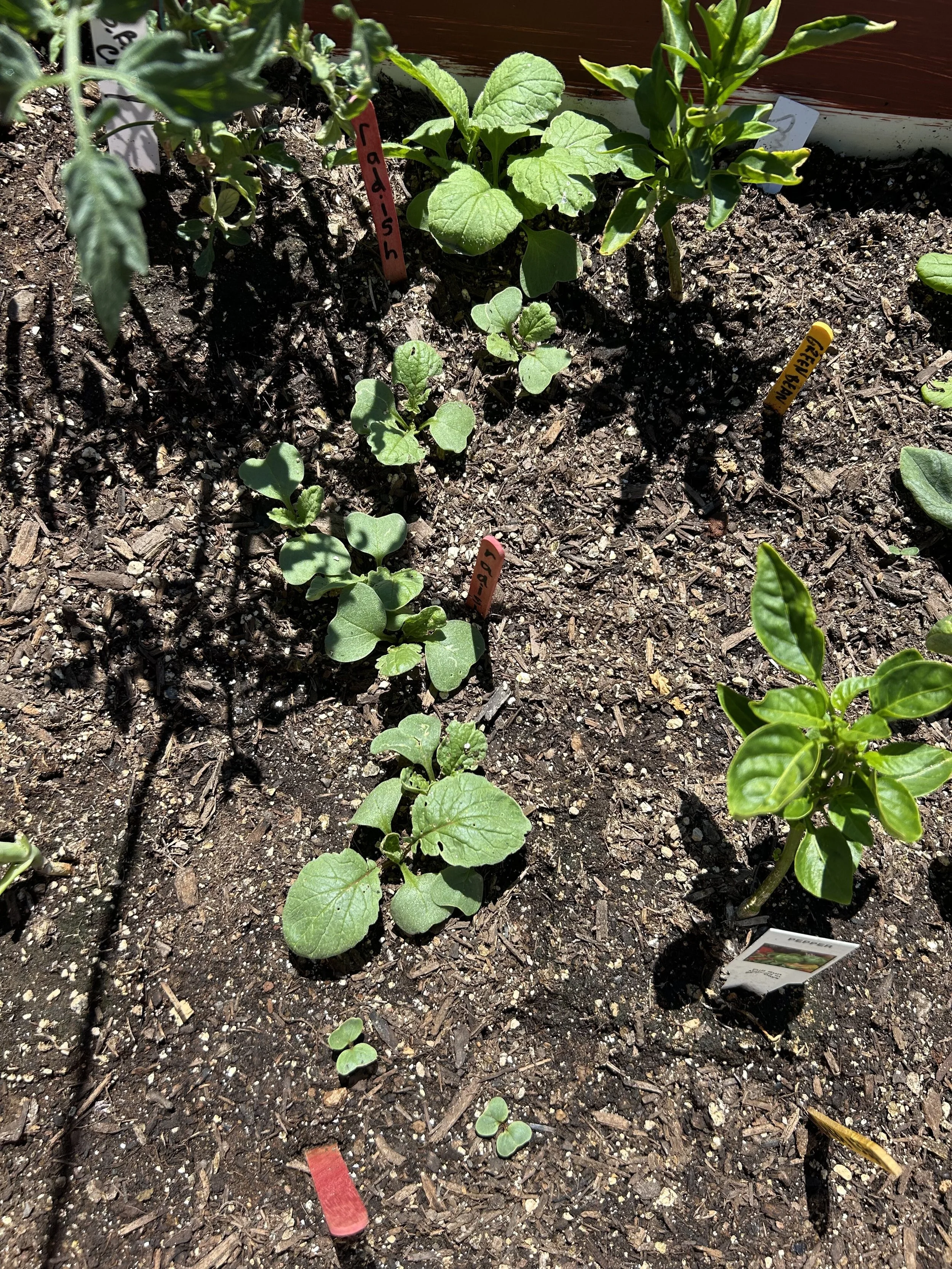
Seedlings planted in a refrigerator garden.Replanting
The goal of your refrigerator garden bed is to enable continuous year-round harvesting. This means you should replant as soon as you finish harvesting a crop or even before to use the larger plant as shade. This works for vegetables like bok choy, lettuce, and herbs. Fast-growing plants, such as radishes, can be sown every few days and replanted as you begin to harvest them. Other quick-growing options include baby greens, lettuces, beets, and arugula. If you have a mix of annuals and perennials, and you will be replanting, you can expect to harvest throughout the year. It's important to learn which plants thrive in each season, as some prefer the warmth of summer while others flourish in cooler winter conditions. Don’t forget to add compost between plantings, or use the occasional application of organic fertilizer for vegetable gardens.
Before replanting, you should do any necessary soil repair. Refer to the Composting and Fertilizing pages on how to care for your soil before replanting.